


Packaging guide · Rice brands
Rice Packaging Bags and Pouches for Branded 1–5 kg Packs
Branded rice competes on the shelf before anyone tastes it. The pack has to keep out insects and moisture, survive a 5 kg drop and still look premium after weeks in a store. This guide compares bag and pouch formats by pack size, explains the films and when vacuum packing pays off, and lists the checks for export packs.
What retail rice packaging has to do
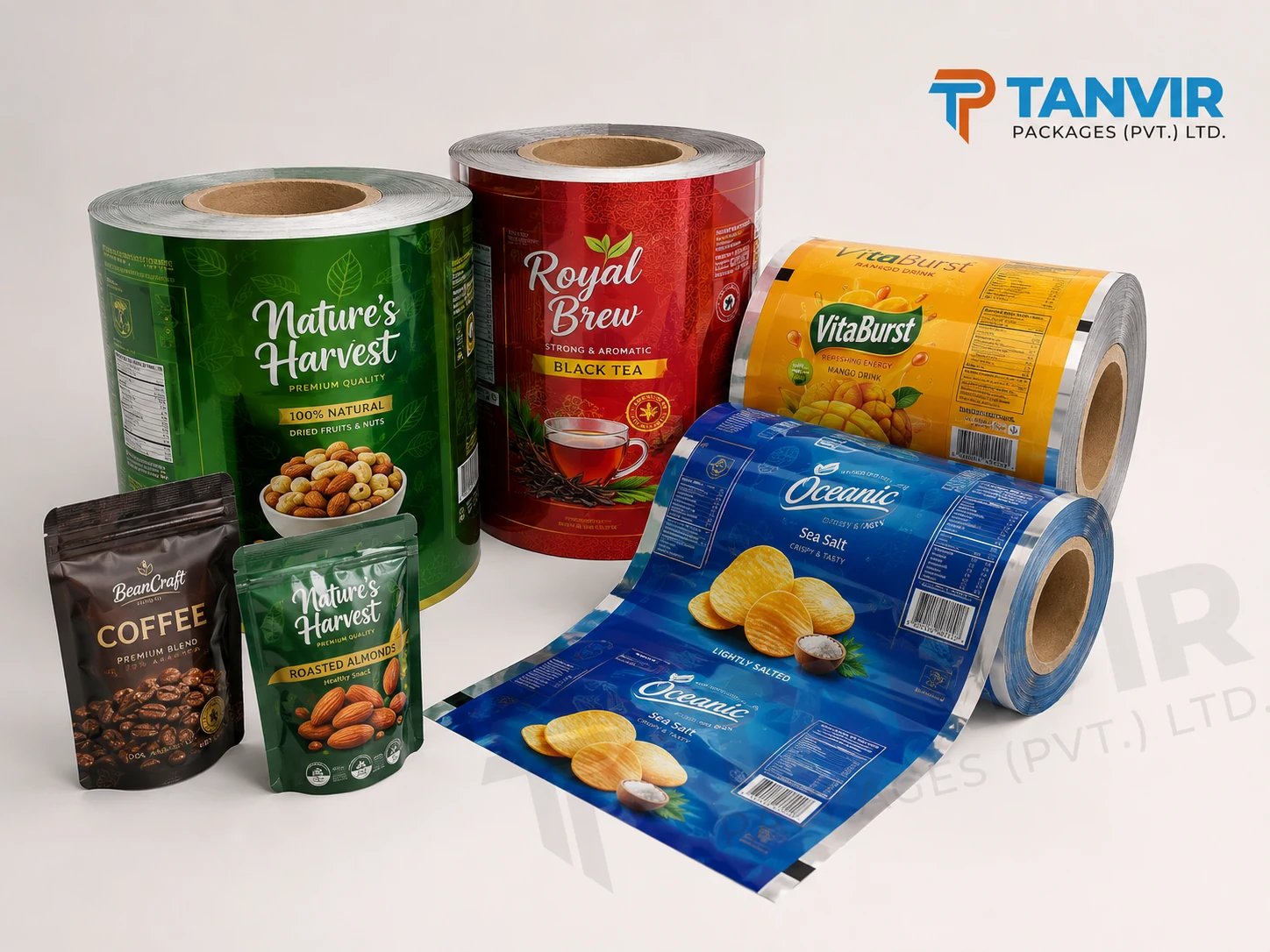
A rice pack has four jobs. It must keep the grain in good condition, survive filling, stacking and transport, carry the brand and the legal information, and be easy to carry and open. The first job is the one that most often goes wrong.
A study of milled rice stored in different packs, summarised in the FAO's AGRIS database, found that rice in woven bags deteriorated the most, and that plain polythene packs developed a strong odour from insect activity. Insects appeared in most packs, except those stored with low oxygen at a low temperature. The lesson for brands: the film matters, but so do the seal, the oxygen inside the pack and where it is stored.
Formats by pack size
Choose a pack size to see the formats and films that usually suit it.
1 kg rice packs
- Everyday brands
- Printed LDPE or LLDPE pillow bag, heat sealed. Usually 60–75 micron. See 1 kg packing bags for sizes and bags per kg.
- Premium shelf
- BOPP/LDPE or PET/LDPE laminated pouch. The print sits between the layers, so it does not scuff.
- Features
- Tear notch, a clear window to show grain length, and an optional zipper.
2 kg rice packs
- Format
- Side-gusset laminated bag, or a stand-up pouch with a zipper so it stands on the shelf and recloses at home.
- Film
- BOPP/LDPE or PET/LDPE laminate, a little heavier than the 1 kg pack to carry the extra weight.
- Features
- Zipper, tear notch and a window.
5 kg rice packs
- Format
- Side-gusset or block-bottom laminated bag with a punched or loop handle.
- Film
- A tough laminate with a strong sealant layer. Drop-test filled samples before you approve.
- Air release
- Some packers add small holes so bags stack flat. Holes also let in air and insects, so weigh that against how long the rice will sit in storage.
Vacuum packs for premium basmati
- Format
- Brick-shaped vacuum pack, usually 1 to 5 kg, often sold inside a printed carton or sleeve.
- Film
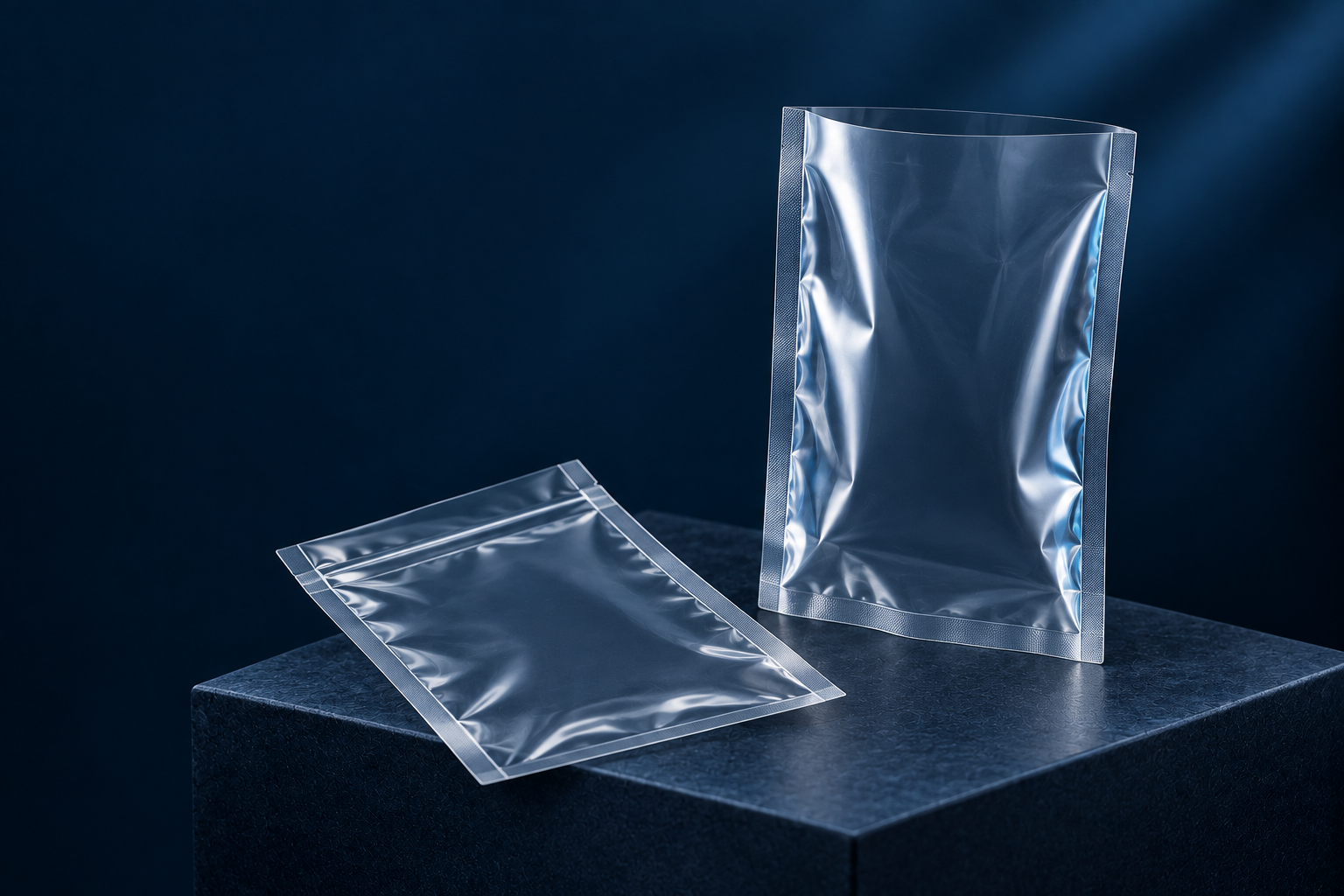
- Nylon-containing laminate for puncture resistance against hard grain ends. See nylon laminated vacuum bags.
- Machine
- Tell us whether you run a chamber or external-suction vacuum machine. Some machines need an embossed bag.
Rice pack formats compared
| Format | Pack sizes | Strengths | Trade-offs |
|---|---|---|---|
| Printed polythene pillow bag | ½–2 kg | Economical, simple to fill and seal | Print on the outside can scuff; moderate barrier |
| Laminated pillow or side-gusset bag | 1–5 kg | Protected print, stronger, better barrier | Needs gravure cylinders |
| Stand-up pouch with zipper | 1–2 kg | Stands on the shelf, reclosable, premium look | More film per kg of rice |
| Vacuum brick pack | 1–5 kg | Best protection, compact, premium | Needs vacuum machine and tough film |
| Handle bag | 5 kg | Easy to carry, good billboard on the shelf | Handle area must be reinforced and tested |
Bulk rice of 25 to 50 kg is usually packed in woven sacks. We do not make woven sacks, but we make the polythene liners that go inside them to keep out moisture.
Choosing the film
Single-layer polythene
LDPE and LLDPE bags are the economical choice for everyday rice. Print sits on the outside, so choose inks and a finish that resist rubbing in transport. Our micron and bags per kg guide shows how thickness changes the number of bags you get from each kilogram.
Laminates
A BOPP/LDPE or PET/LDPE laminate puts the print between two films, where it cannot scuff. It is stiffer, glossier and stronger than a single film, which is why most premium rice brands use it. See OPP, PET and LDPE laminated bags and our lamination capabilities.
Matte, gloss and windows
A matte finish reads as premium and hides fingerprints. Gloss makes colours pop. A clear window shows grain length, which is a selling point for basmati. Keep the window away from the seal and handle areas.
When vacuum packing pays off
Vacuum packing removes most of the oxygen, so insects cannot survive and the rice keeps its aroma longer. It costs more per pack and needs a vacuum machine, so it pays off for premium aged basmati, for gift packs and for long export journeys through hot climates.
Print and artwork
Laminated rice packs are printed by rotogravure, which gives sharp, consistent colour across long runs. Each colour needs its own engraved cylinder, so a change of artwork means new cylinders. Single-layer bags can also be printed flexo. See custom printed polybags.
Artwork tips for rice packs
- Leave a clear panel for the batch number, packing date and expiry date
- Keep text and barcodes away from seals, gussets and the handle
- Match colours to a physical proof, not a screen
- Show the net weight large and in the right place for each market
Exporting rice in consumer packs
Labelling
Every market has its own label rules. In the EU, Regulation (EU) No 1169/2011 sets what must appear on pre-packed food, including the name, net quantity, date marking, storage conditions and the importer's details. Confirm the importer's requirements before you approve the artwork.
The basmati name
India and Pakistan have both applied to the EU to protect "basmati" as a geographical indication. As Euronews reported in October 2025, the question was still unresolved. Check the current position with your importer, or with the Rice Exporters Association of Pakistan, before you print the word "basmati" on EU-bound packs.
Packaging documents
Importers increasingly ask for the packaging's food-contact test report and the manufacturer's food-safety certificate. EU buyers also need evidence under the Packaging and Packaging Waste Regulation. See Halal and food-grade packaging and PPWR packaging for EU buyers for what we supply.
Checklist before you order
- Pack sizes, and the fill weight and grain type for each
- Format: bag, pouch, vacuum pack or handle bag
- Film structure and total thickness
- Bag size, tested with a real filling trial
- Artwork, number of colours and finish
- Filling and sealing machine details
- Monthly quantity and destination markets
- Documents the buyer or importer needs
Frequently asked questions
What is the best packaging for rice?
For 1 kg retail packs, a printed polythene bag or a laminated pouch works well. For 5 kg, use a stronger laminated bag with a handle. For premium basmati and long export journeys, a vacuum pack gives the best protection against insects and loss of aroma.
How do I stop insects in packed rice?
Use a well-sealed pack with no pinholes, keep oxygen low with vacuum packing where you can, and store packs somewhere cool. Research on stored rice found insects in most packs except those kept with low oxygen at low temperature.
Which film is used for rice bags?
Everyday packs use printed LDPE or LLDPE. Premium packs use laminates such as BOPP/LDPE or PET/LDPE, which protect the print and add strength. Vacuum packs use a nylon-containing laminate for puncture resistance.
What size bag do I need for 1 kg of rice?
A flat bag of about 8 × 12 inches suits 1 kg of most rice, and a larger size such as 9 × 14 inches gives more headroom for long-grain basmati. Always confirm with a filling trial, because grain type changes the volume.
Is vacuum packing worth it for rice?
For premium aged basmati, gift packs and long export journeys, usually yes, because it protects aroma and keeps out insects. For everyday rice sold quickly, a well-sealed bag or laminated pouch is normally enough.
Do you make woven rice sacks?
No. We make film-based bags, pouches and laminates, and the polythene liners used inside woven sacks for bulk rice.
What is the minimum order for printed rice bags?
300 kg for printed packaging and 100 kg for plain, made to your size in Karachi.
Sources
Launching or refreshing a rice brand?
Send the pack sizes and artwork. We'll propose the format and film, from an ISO 22000 and Halal certified plant in Karachi.